
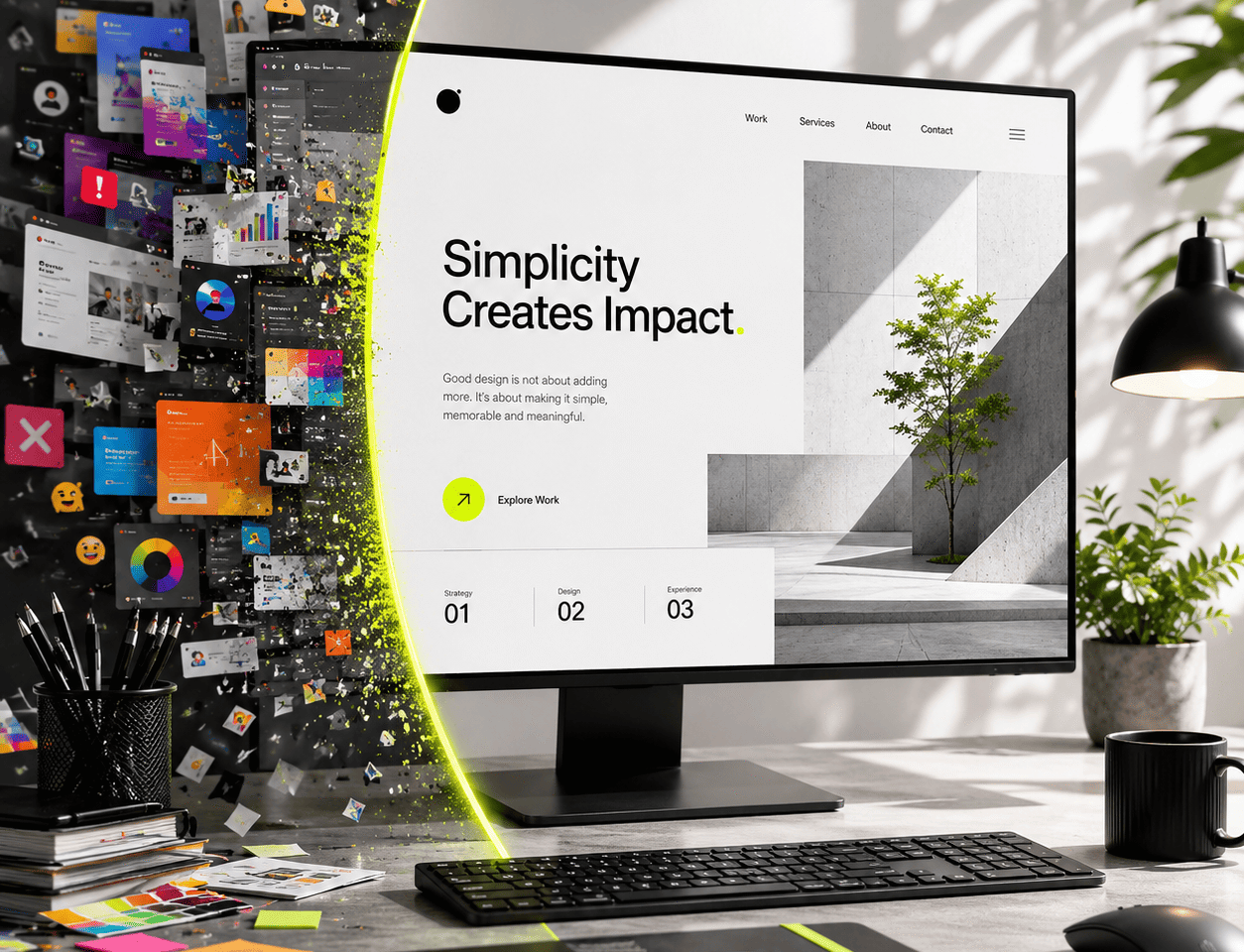
Why Minimal Design Still Wins in 2026
Design trends change every year, but minimal design continues to dominate — even in 2026. While styles evolve and technology becomes more advanced, the core principles of simplicity, clarity, and intentional design remain timeless.
In a world filled with endless scrolling, visual overload, and short attention spans, minimal design works because it communicates faster and feels more refined.
People Are Tired of Visual Noise
Modern audiences consume more content than ever before. Social media feeds, websites, advertisements, notifications — everything competes for attention every second.
Because of this, cluttered design no longer feels impressive. It feels exhausting.
Minimal design stands out because it creates breathing space. It removes distractions and helps users focus on what actually matters.
Clean layouts, strong typography, and thoughtful spacing instantly feel more modern and easier to trust.
Simplicity Creates Better User Experience
Good design is not just about appearance — it’s about usability.
Minimal interfaces are easier to navigate because they reduce friction. Users can quickly understand:
* Where to look
* What to click
* What the message is
* What action to take
Whether it’s a website, app, or brand identity, simplicity improves communication.
The best designs don’t make users think too hard.
Premium Brands Continue to Embrace Minimalism
Some of the world’s most recognizable brands still rely heavily on minimal design systems.
Why?
Because minimal branding feels:
* Confident
* Timeless
* Professional
* Sophisticated
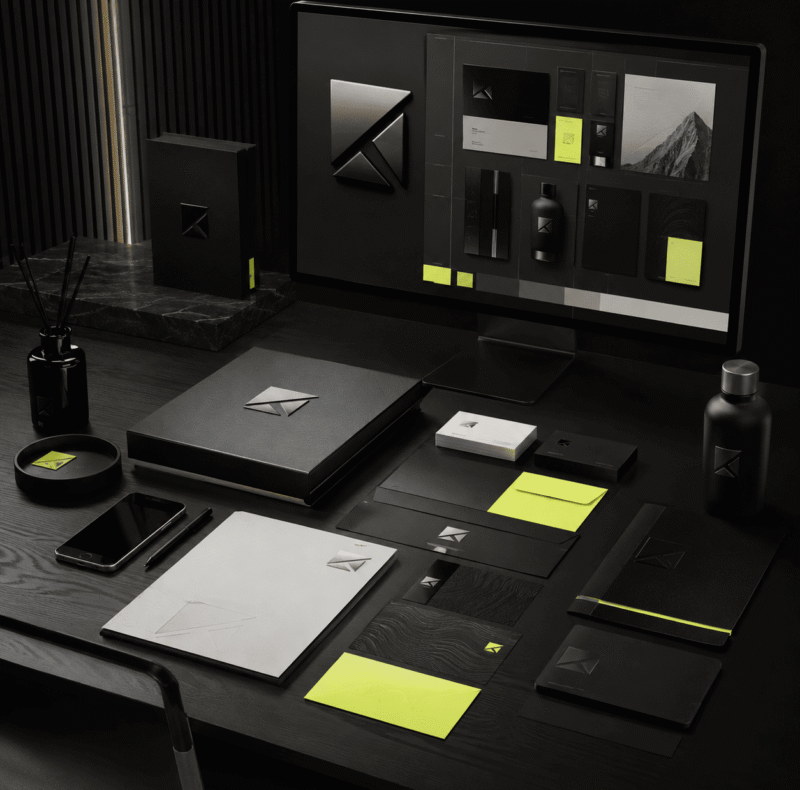
Premium brands understand that simplicity often feels more expensive than overly decorative visuals.
A clean composition with strong hierarchy usually has more impact than a design overloaded with effects, gradients, and unnecessary elements.
Minimal Design Ages Better
Trendy designs can look outdated very quickly.
But minimal design tends to remain relevant for years because it focuses on fundamentals rather than temporary visual trends.
Strong typography, balanced layouts, and simple color systems are timeless principles. This makes minimal branding more sustainable and easier to maintain over time.
For businesses, this matters a lot. Constant rebranding can damage consistency and audience recognition.
Minimal Doesn’t Mean Boring
One of the biggest misconceptions about minimal design is that it lacks creativity.
In reality, minimalism requires more intentional thinking. Every detail matters:
* Typography choices
* Spacing
* Grid structure
* Color balance
* Visual rhythm
Minimal design is about designing with purpose.
When done correctly, even the simplest layout can feel bold, emotional, and visually powerful.
Technology Is Pushing Design Toward Simplicity
As digital experiences become more interactive and mobile-focused, usability becomes even more important.
Minimal design adapts perfectly across:
* Mobile screens
* Responsive websites
* Social media platforms
* Modern UI systems
* Digital products
Fast-loading layouts, cleaner interfaces, and focused content improve both performance and user engagement.
In many ways, technology itself is encouraging simpler design systems.
Final Thoughts
Minimal design still wins in 2026 because clarity will always outperform clutter.
Trends may change, but people will always value experiences that feel intuitive, clean, and easy to understand. Minimalism is not about removing personality — it’s about removing distractions.
The strongest designs are often the simplest ones.
And in a world full of noise, simplicity becomes unforgettable.

No comments
Be the first to comment.